
Wayfinding & Signage: Make Museums Easy to Navigate
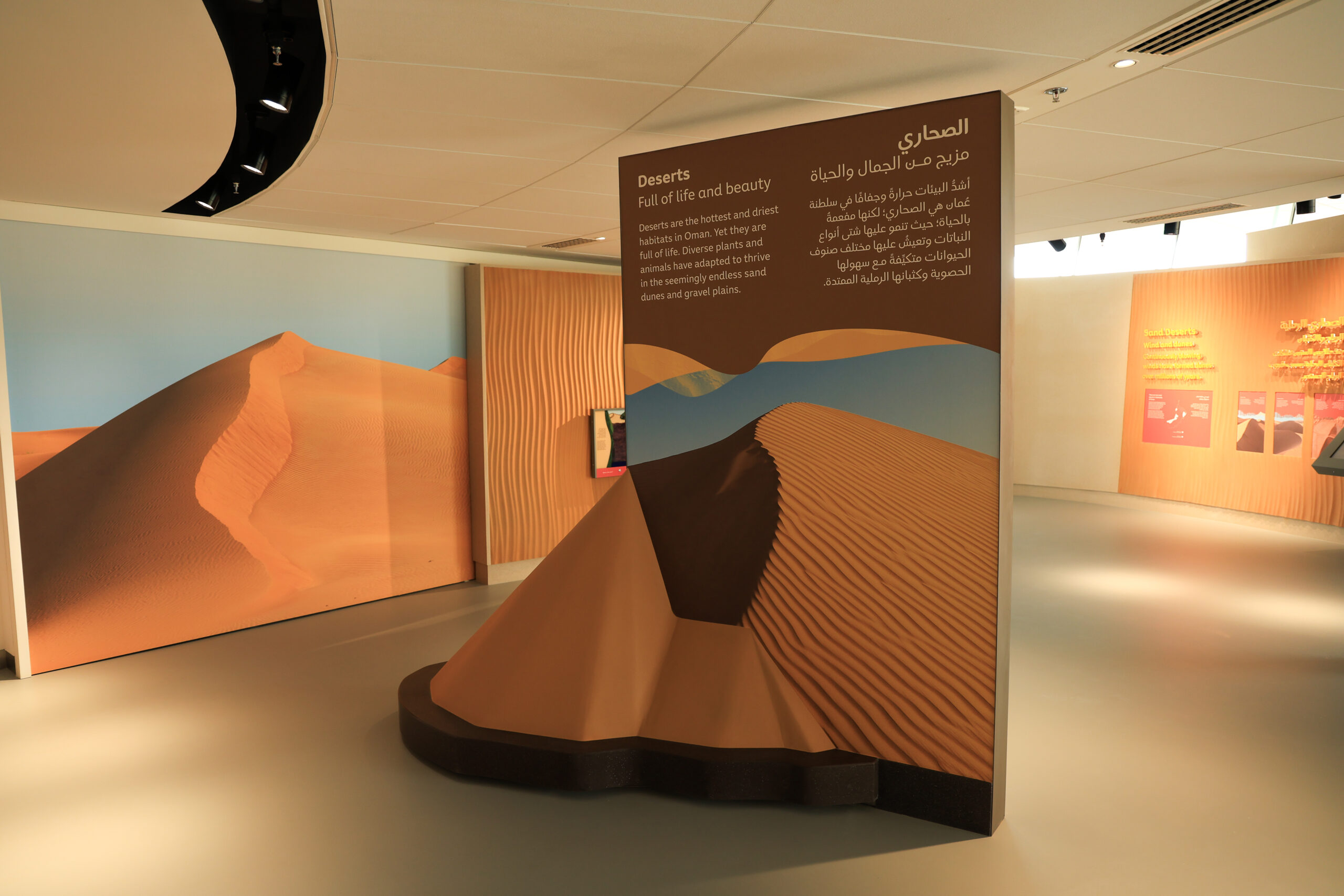
Museums are designed to encourage exploration, helping visitors discover new stories, collections and experiences. But to make the most of a visit, people need to feel confident about where they are going.
From the moment visitors arrive, clear signage plays an important role in shaping their experience. Whether guiding people towards entrances, directing them between galleries or helping them navigate outdoor heritage sites, well-designed wayfinding signage makes spaces easier to explore.
At Leach, we design and manufacture bespoke signage and large format graphics that help museums and visitor attractions bring their environments to life. Combining practical functionality with durable materials and considered design, our solutions support visitor journeys while complementing the character of each location.

Creating a seamless visitor journey
A museum visit often involves more than moving between exhibition spaces. Visitors may need to find entrances, ticket desks, facilities, outdoor attractions and different areas of a wider site. Without clear directional signage, navigating these spaces can become confusing, taking attention away from the experience itself.
Effective wayfinding helps visitors understand their surroundings and move confidently from one point to another. Consistent visual cues, easy-to-read messaging and strategically positioned signs can make even complex environments feel more intuitive.
For museums spread across multiple buildings or extensive outdoor grounds, external wayfinding is particularly important. Directional finger posts, monoliths, totem signs and way markers can help visitors navigate pathways, identify key destinations and discover areas they might otherwise overlook.
By planning signage around how people move through a space, museums can create a more welcoming environment from arrival to departure.

Making museums more accessible
Every visitor should feel confident exploring a museum, regardless of their familiarity with the site. Clear, intuitive signage can help reduce uncertainty and make it easier for people to navigate independently.
Good wayfinding considers the needs of different audiences, including families, older visitors and people with disabilities. Readable typography, strong colour contrast, clear directional symbols and carefully considered sign placement can all help improve the accessibility of a space.
Consistency is equally important. When signs follow a recognisable visual system, visitors can process information more easily and understand where to look for directions throughout their journey.
For museums and heritage attractions, this requires a balance between modern accessibility needs and the character of the environment. Signage should be practical and easy to understand while respecting the architecture, landscape and visitor experience.

Balancing functionality with the visitor experience
Wayfinding signage needs to do more than point people in the right direction. It should also feel like a natural part of the environment.
In museums and heritage settings, signage must often sit alongside historic architecture, carefully curated exhibitions and established landscapes. The materials, finishes, dimensions and positioning of each sign therefore need careful consideration.
Bespoke signage offers the flexibility to meet these requirements. From the shape and size of a sign to its colours, fixtures and finish, each element can be tailored to the location and its intended purpose.
External signage must also withstand changing weather conditions while remaining clear and presentable over time. Choosing durable, weather-resistant materials helps ensure signs continue to perform in outdoor environments, supporting visitors throughout the year.
At Leach, we manufacture wayfinding signage in a range of formats and finishes, helping museums and visitor attractions find solutions that combine long-term durability with visual consistency.
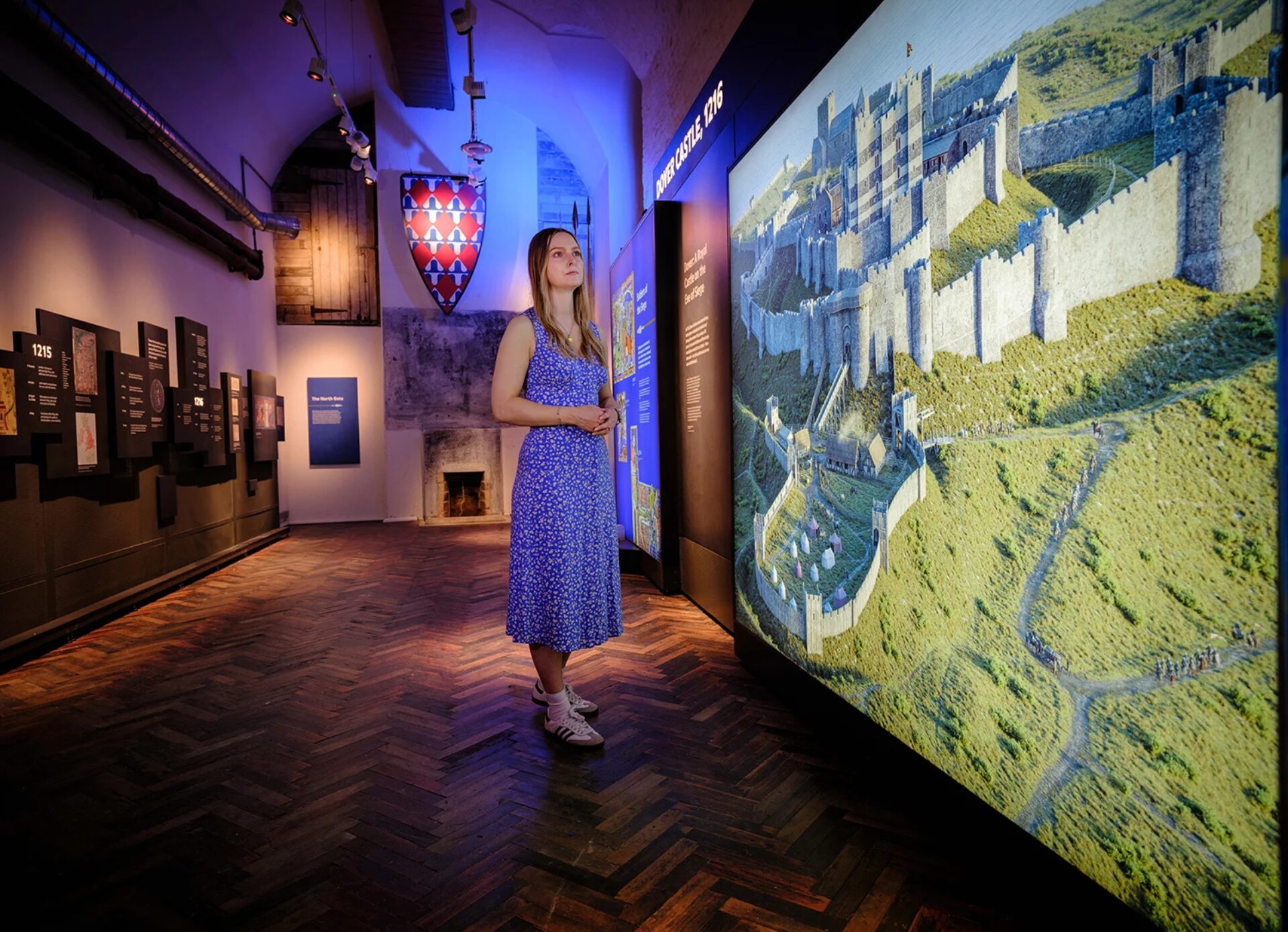
Wayfinding in practice: Dover Castle
The importance of effective signage becomes particularly clear across large-scale heritage projects, where visitors need to navigate historic environments while engaging with the stories they tell.
For the Dover Castle: Under Siege exhibition, Leach worked with The Hub, Mather & Co, English Heritage and Avanti Architects on a project that brought the story of the 1216 and 1217 sieges to life.
Appointed by The Hub, we delivered more than 300 durable museum graphics and signage solutions across the site. The project required careful consideration of the castle’s historic fabric, ensuring the new interpretation complemented its surroundings while helping visitors engage with the exhibition.
The exhibition demonstrates the role that carefully considered graphics and signage can play in enhancing the experience of a heritage attraction.
From interpretation to navigation, every sign contributes to how visitors understand and interact with a space. The right approach ensures that practical information supports the wider experience rather than distracting from it.

Planning wayfinding signage for your museum
Successful wayfinding starts with understanding the site, its visitors and the journeys they need to make. Considering signage early in the planning process can help create a more cohesive system that works across entrances, pathways, galleries and outdoor areas.
When developing a wayfinding strategy, it is worth considering:
- Visitor journeys: Identify key destinations and the decisions visitors need to make along the way.
- Sign placement: Position signs where people need information, particularly at entrances, junctions and changes of direction.
- Accessibility: Use clear messaging, readable typography and strong contrast to help a broad range of visitors navigate confidently.
- Visual consistency: Establish a cohesive signage style that complements the museum’s identity and surroundings.
- Durability: Select suitable materials and finishes for the environment, particularly for signs exposed to the elements.
- Future flexibility: Consider how signage can accommodate changes to exhibitions, facilities or visitor routes over time.
Taking these factors into account helps create signage that is both practical and visually appropriate, supporting a better experience for visitors and staff alike.

Helping visitors find their way with Leach
With more than 135 years of experience in large format print and display solutions, Leach understands the importance of combining thoughtful design with reliable production. Our bespoke wayfinding and external signage solutions help museums, heritage sites and visitor attractions guide their audiences while complementing the environments they inhabit.
From directional finger posts and way markers to monolith and totem signage, we work with clients to develop solutions tailored to the needs of each project. Our focus on durable materials, considered design and quality manufacturing helps ensure signage remains fit for purpose in demanding outdoor environments.


