Brand Storytelling Through Retail Walls: Using Wall Coverings, Graphics & Interior Signage to Tell a Brand’s Story
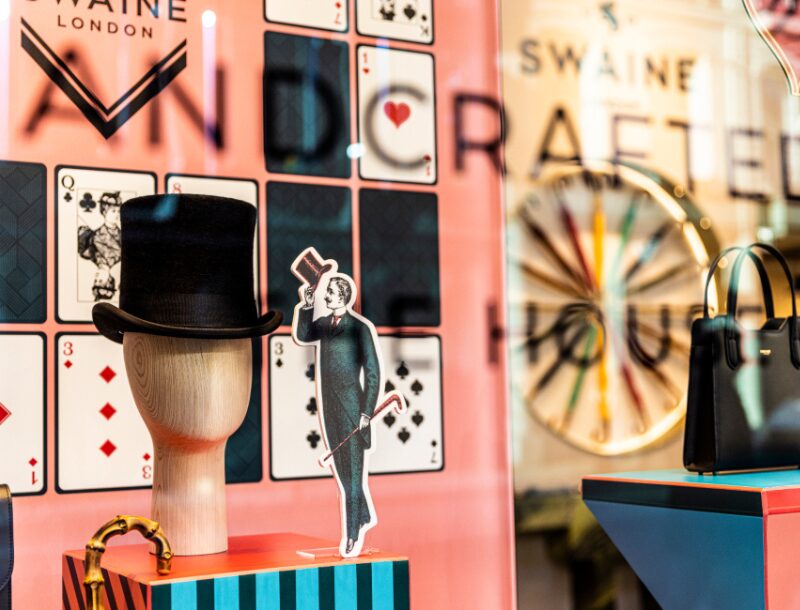
As retail continues to evolve, brands are rethinking the role of the physical store. No longer just a place to sell products, today’s retail environments are becoming immersive brand experiences designed to connect with customers on a deeper level.
From wall coverings and large format graphics to interior signage and spatial design, every visual element now plays a role in shaping how a brand is perceived. In my Q&A with Mike Willshaw, our Head of Innovation, he shares his perspective on why physical spaces have become one of the most powerful storytelling tools available to modern brands. He also uncovers how retailers can use their environments to communicate identity, values and emotion more effectively.
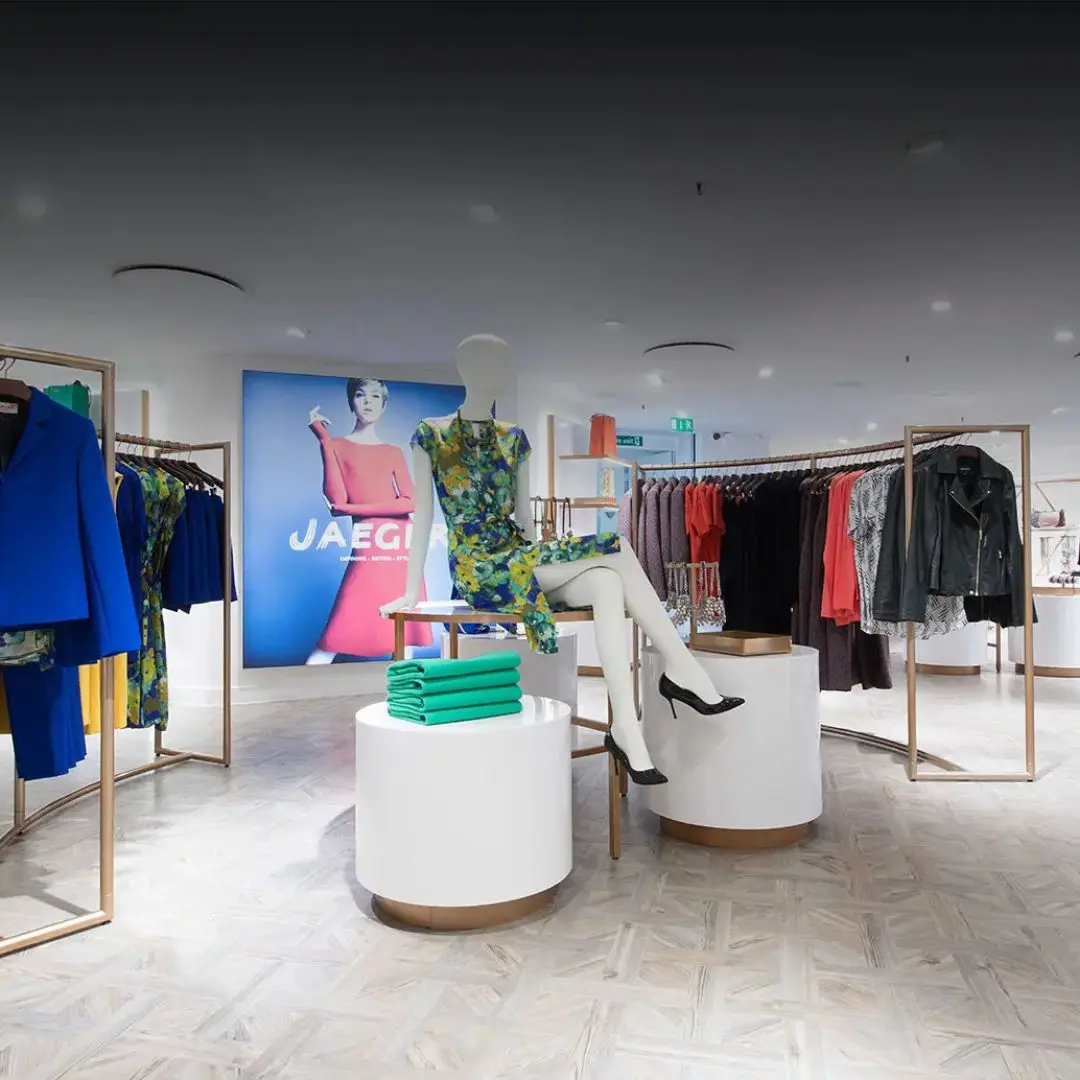
Why are brands suddenly investing so heavily in physical retail spaces again?
Because the role of the store has changed completely. For years, physical retail was treated as a transaction point. The goal was efficiency. Get customers in, guide them to products, get them to checkout. But today, brands are realising something important. The store is no longer just a place to sell. It is a place to communicate.
I see more brands treating their physical environment as an extension of their identity. In many ways, the store has become the new homepage. Before a customer speaks to a member of staff, before they browse a product, they are already absorbing the brand through the walls, the materials, the graphics, the signage, the lighting and the atmosphere.
Retail environments now have to do what websites once did alone. They need to explain who you are, what you stand for and why customers should care. That shift is why storytelling through interiors matters more than ever.
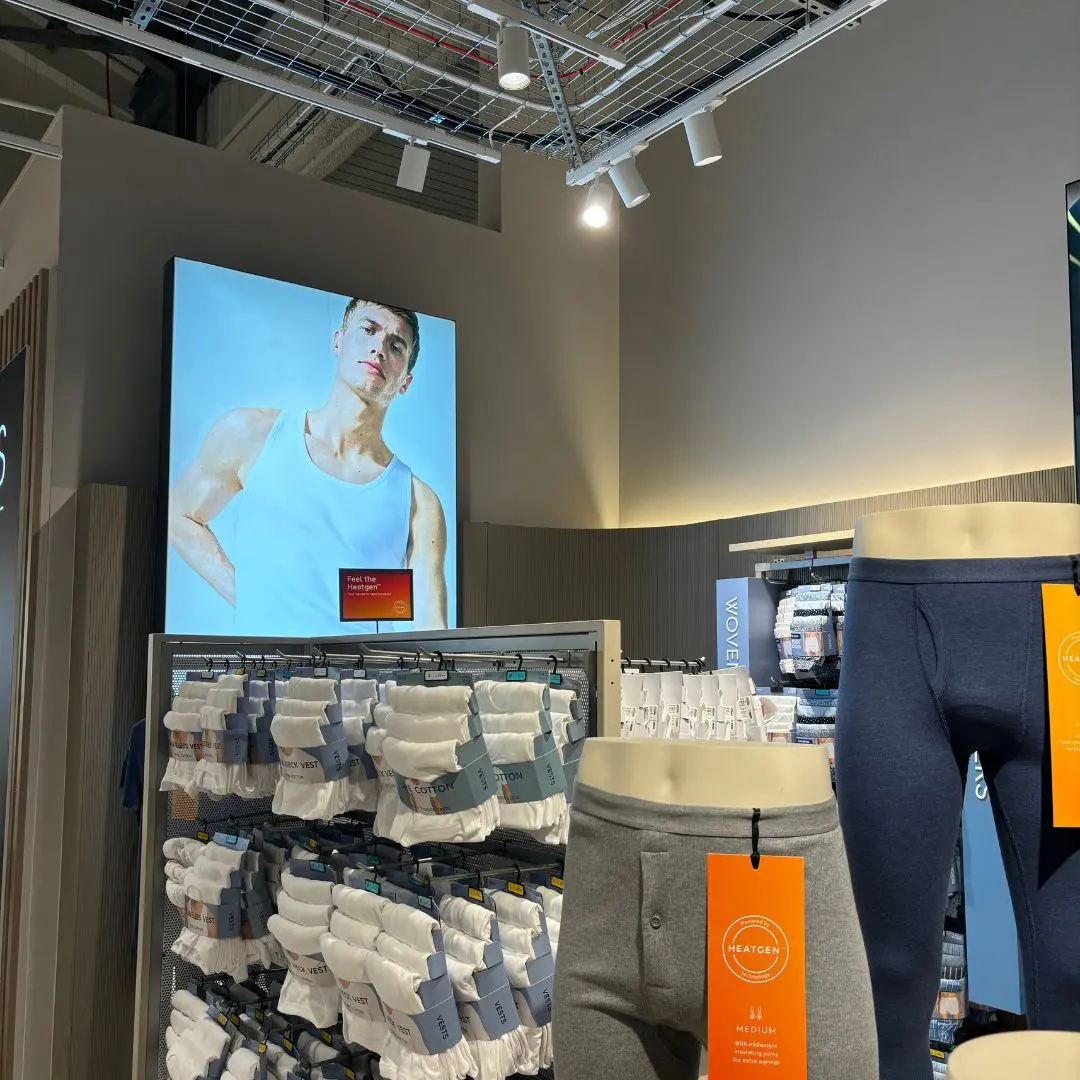
What does “brand storytelling through retail walls” actually mean?
It means using the physical environment to communicate your brand narrative without relying on words alone.
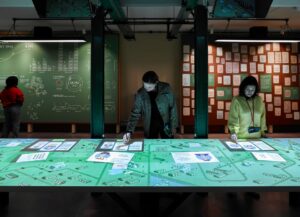
Wall coverings, large format graphics, bespoke signage and interior displays are no longer decorative extras. They are strategic brand tools.
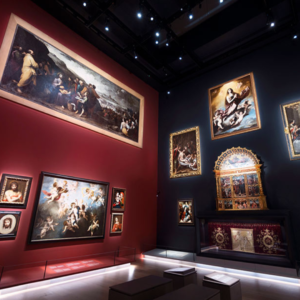
When someone walks into a space, every surface contributes to perception. A textured wall finish can communicate craftsmanship. Bold typography can create energy and confidence. Layered graphics can introduce heritage, culture or innovation. Directional signage can reinforce tone of voice and personality.
The most effective retail spaces tell a cohesive story before a customer even interacts with a product.
I often think about how the best stores make people feel something immediately. That emotional connection rarely happens by accident. It comes from carefully designed environments where every visual detail reinforces the same message.
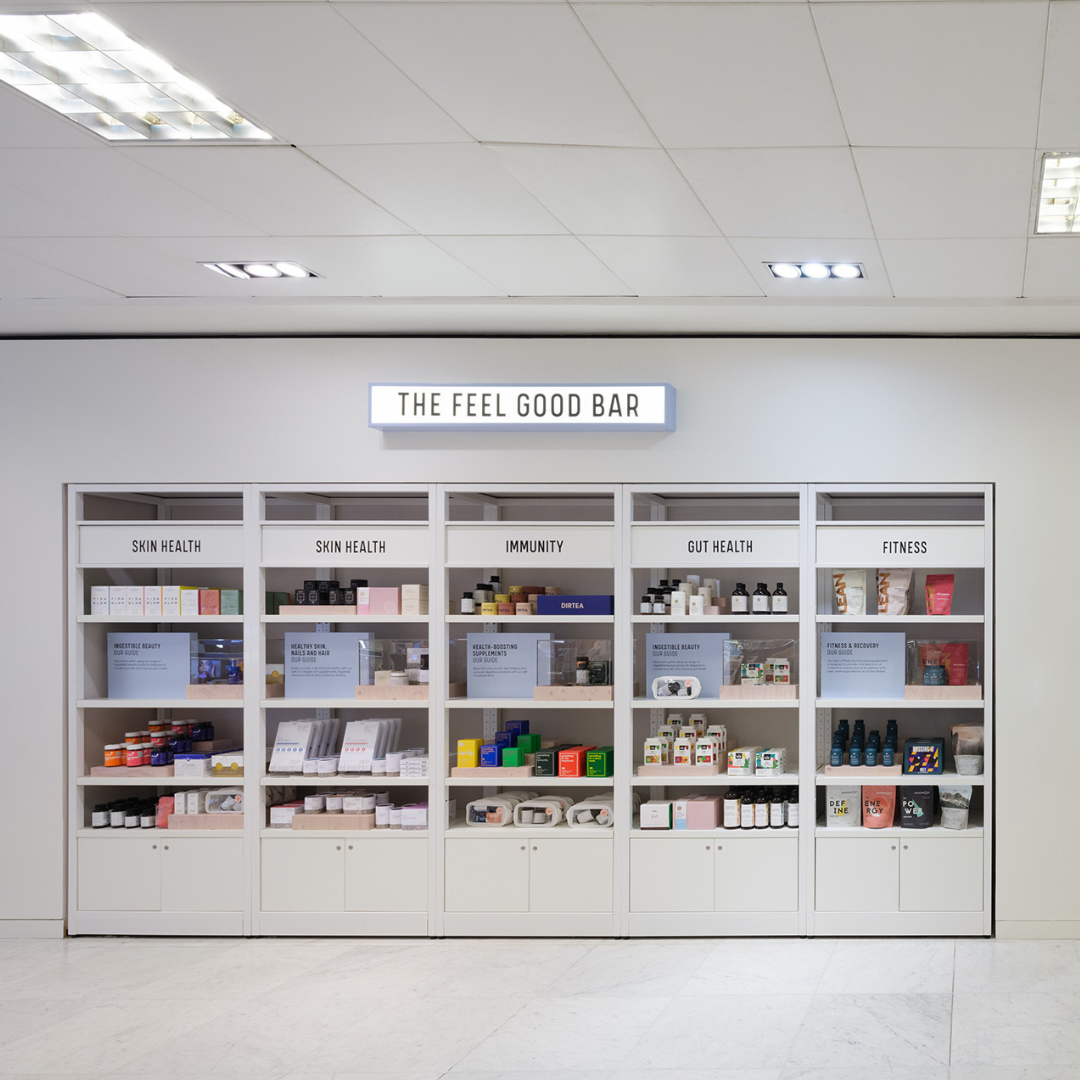
Why is the physical store more powerful now than digital channels in some cases?
Because digital has become crowded and predictable. Online, every brand competes within similar templates. Customers scroll quickly, attention spans are short and experiences are increasingly transactional. Physical retail gives brands a unique presence digital cannot fully replicate.
A well-designed store creates immersion. Customers can experience scale, texture, sound, atmosphere and emotion all at once. That level of sensory engagement builds stronger memory and deeper brand recognition.
I think this is why we are seeing brands reinvest in flagship stores, experiential retail and branded interiors. The store has become one of the few places where brands have complete control over the customer experience.
Unlike social media algorithms or paid advertising, your physical environment belongs entirely to you and your community.
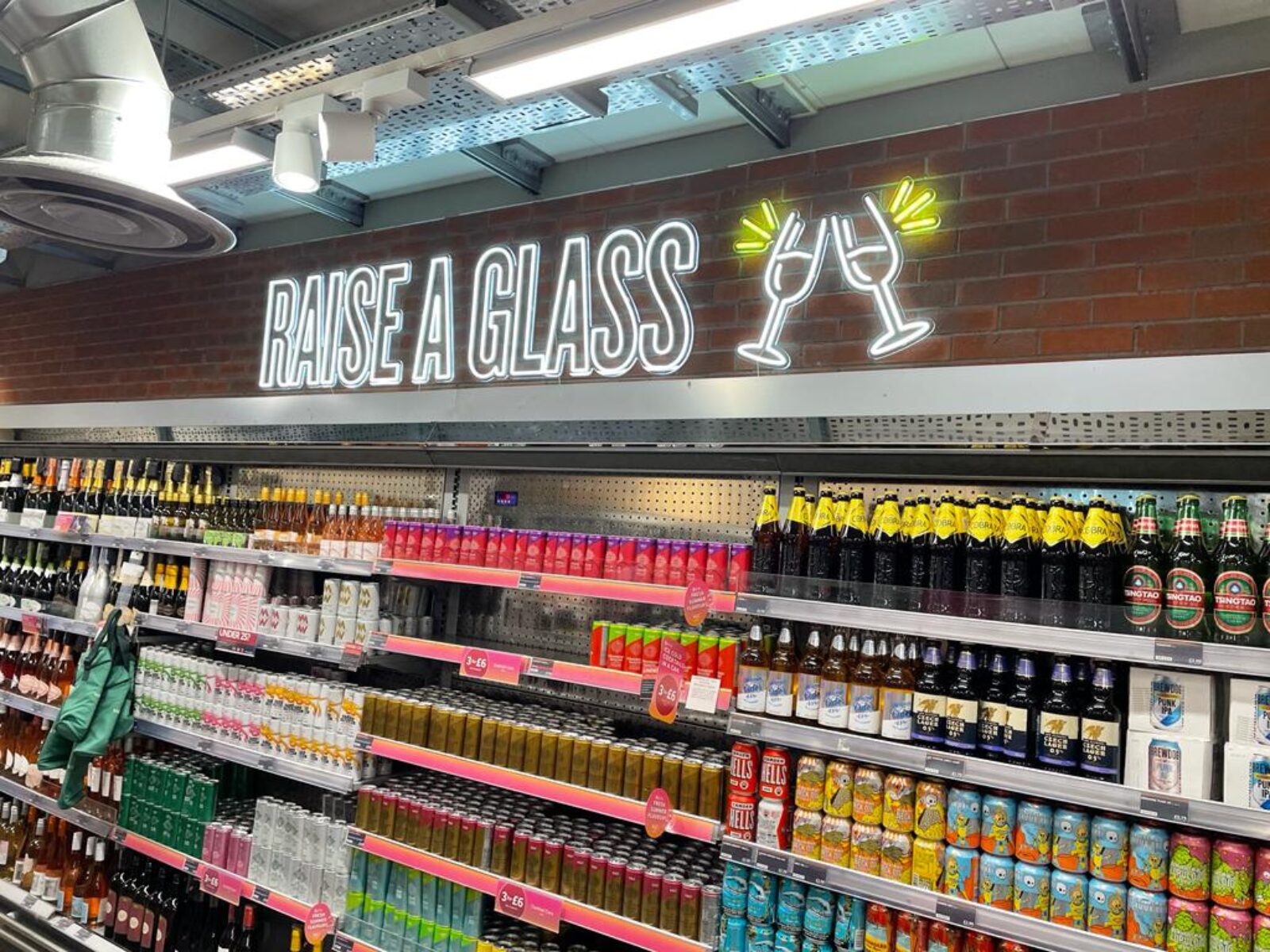
How do wall coverings and graphics influence customer perception?
They shape perception instantly. Customers make decisions about a brand within seconds of entering a space. Interior graphics and wall treatments help establish those impressions immediately.
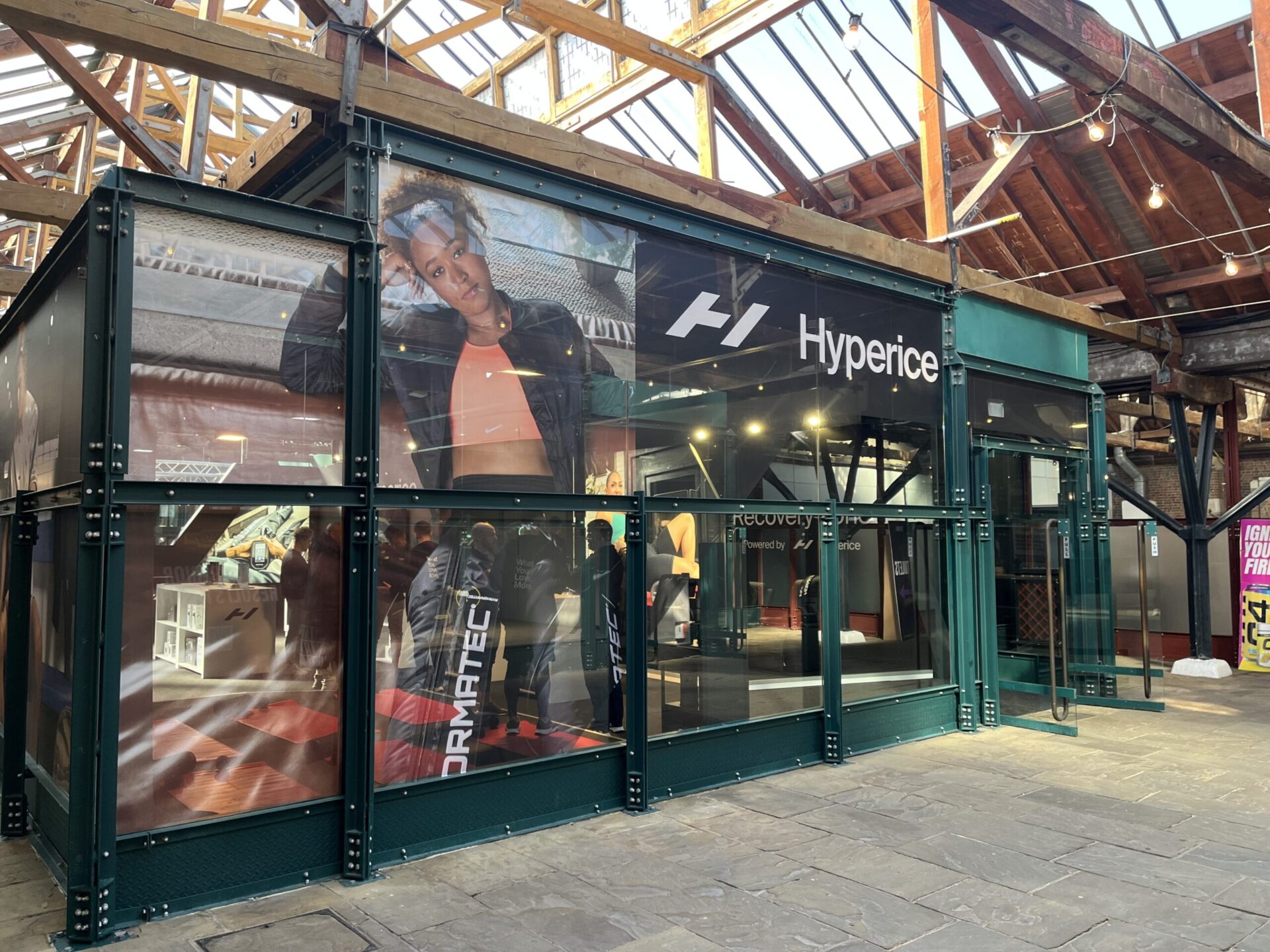
For example, clean minimalist graphics can create a sense of premium simplicity. Bold oversized visuals can communicate confidence and creativity. Natural textures and earthy tones can reinforce sustainability or authenticity.
What matters most is consistency.
When graphics, signage and interiors all align with the same brand identity, customers feel clarity. The experience becomes memorable because everything feels intentional.
Poorly considered environments create the opposite effect. Even strong brands can appear disconnected if the physical space does not reflect the quality or personality of the business itself.
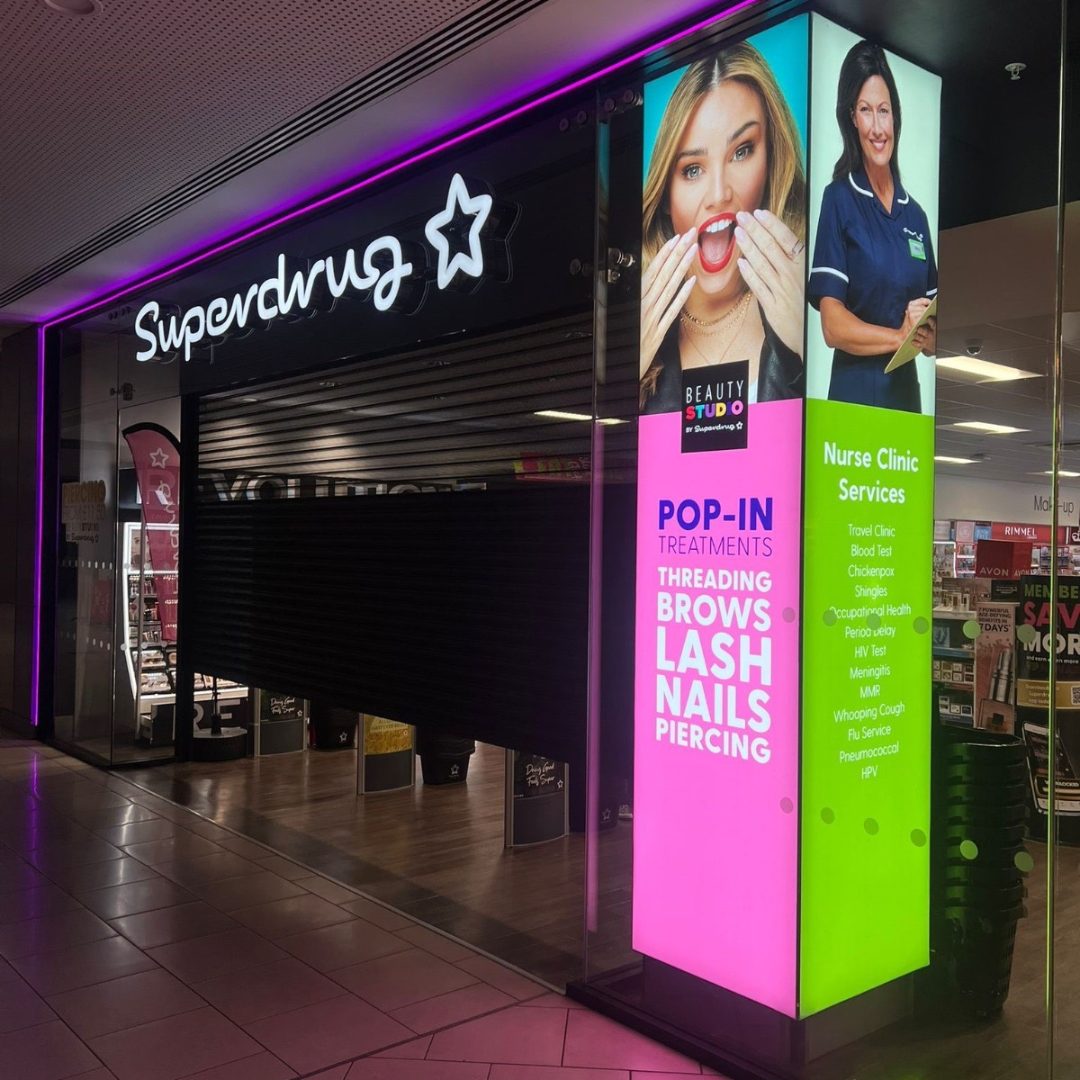
What role does signage play in storytelling?
Signage is one of the most underestimated branding tools in retail.
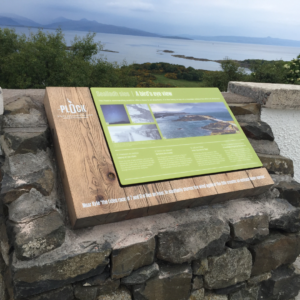
Most people think of signage as purely functional, but it does far more than provide directions. Typography, materials, finishes, illumination and placement all contribute to how a brand feels, and therefore how your customer feels about your brand.
Interior signage can introduce personality, reinforce values and guide customers through a carefully curated journey.
I always believe the best signage systems do two things simultaneously. They help people navigate the space while also strengthening emotional connection to the brand. That balance is where strong retail storytelling really happens.
Are customers actually influenced by these environmental details?
Absolutely. Customers may not consciously analyse every visual element, but they respond emotionally to environments all the time. People notice when a space feels cohesive, premium, creative or authentic.
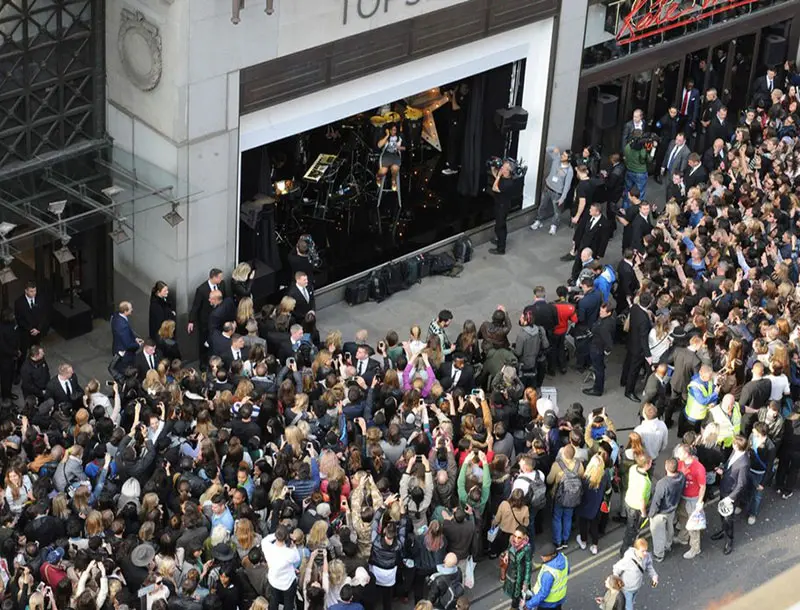
Retail design influences trust, dwell time and even purchasing behaviour. More importantly, it influences how memorable a brand becomes after the visit ends. Stores are increasingly becoming interactive spaces where a brand’s community comes together, think of Apple and Gymshark for example, their flagship stores are far beyond just stores that sell products.
In a world where products are increasingly similar, experience becomes the differentiator. That experience is often built through the physical details many brands once overlooked.
What should brands focus on when designing retail interiors today?
I think the most important question brands should ask is not “What looks impressive?” but “What story are we trying to tell?” Everything should connect back to that answer.
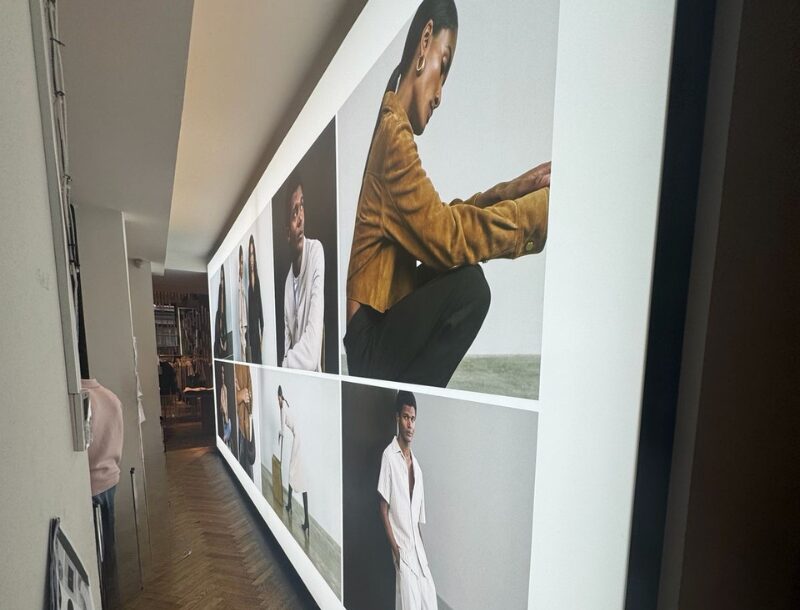
The most successful retail environments are not overloaded with messaging. They are intentional. Every graphic, wall finish and sign supports a larger narrative about the brand’s identity and values.
Customers do not remember isolated design features. They remember how a space made them feel. That is why storytelling matters so much in physical retail. The environment itself becomes part of the brand experience.
What is the biggest takeaway for brands right now?
Your store is no longer just a sales space. It is your most powerful brand channel.
Physical environments now carry the responsibility of communicating identity, building trust and creating emotional connection in ways digital platforms increasingly struggle to achieve.
Brands that understand this are investing in spaces that feel immersive, cohesive and memorable. They are using walls, graphics and signage not simply to decorate stores, but to tell stories customers genuinely connect with.
Because in modern retail, the most successful spaces are not the ones that simply display products. They are the ones that make people remember the brand behind them.

Transforming retail interiors across the UK
As Mike explains, retail spaces are no longer simply places to sell products. They are opportunities to create connection, build brand recognition and leave a lasting impression on customers.
The most effective retail environments are the ones that tell a clear and consistent story through every visual touchpoint, from wall coverings and interior graphics to signage and spatial design. When those elements work together seamlessly, the result is an experience that customers remember long after they leave the store.
At Leach, we work with brands to transform physical spaces into immersive brand environments that inspire, engage and perform. Whether you are refreshing an existing retail space or developing a completely new concept, our team can help bring your brand story to life through innovative print, graphics and interior solutions.
Find out how Leach can support your next retail project, give our team a call today.
Frequently Asked Questions
Custom wall coverings transform retail interiors into immersive brand environments by adding texture, colour and visual storytelling that strengthens customer engagement.
Large format graphics, window displays, interior branding and bespoke printed visuals all help retailers communicate their identity and create more memorable customer experiences.
Interior signage helps customers navigate stores while reinforcing brand personality through tailored typography, materials, finishes and messaging.